All Categories
Featured
Table of Contents
, it creates consistency and efficiency throughout everyday organization operations. In this digital age, tools like Kissflow are essential in this endeavor.
Whether a company is soaked in tradition or simply beginning, the course to success invariably includes the ruthless pursuit of process optimization. What is process optimization? Process optimization is the organized practice of enhancing business workflows to increase performance, minimize waste, and fulfill organizational goals more effectively.
Cutting Enterprise Expenses via Smart GCC OutsourcingThis approach makes sure that each part of the workflow contributes to overall functional performance. 2. What are the benefits of procedure optimization? Organizations that invest in process optimization take advantage of enhanced performance, lowered functional costs, and higher precision in job execution. By streamlining complex workflows and getting rid of manual interventions, companies can accelerate turnaround times and provide more constant outcomes.
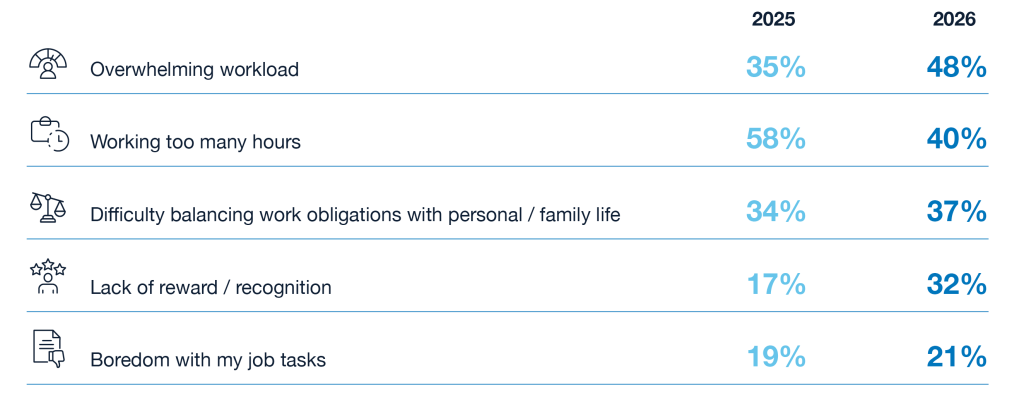
Forecasted Labor Changes in Global Workforce Management
3. What is the difference between process optimization and procedure improvement? While both objective to improve workflow performance, process enhancement is generally a reactive technique that attends to particular problems or inefficiencies. It concentrates on incremental modifications. In contrast, procedure optimization is a more tactical and proactive discipline. It includes a comprehensive review of processes with the goal of redesigning them to line up with broader company goals, often using automation and data-driven analysis.
What are process optimization tools? Process optimization tools are software options developed to help companies evaluate, automate, and refine workflows.
What is a process optimization method? A business process optimization technique is a structured strategy that guides how an organization will improve its workflows to achieve much better results. It includes setting measurable goals, assessing existing procedures, and executing modifications that support efficiency and consistency. This technique typically includes automation, standardization, and real-time data analysis to make sure continuous improvement.
6. What methods enhance service procedure performance? Secret methods to enhance company process effectiveness include process mapping to recognize traffic jams, automating recurring tasks, executing standardized workflows, breaking down department silos, leveraging information analytics for notified choices, and continuous monitoring with regular efficiency evaluations. Worker involvement in improvement efforts guarantees practical services that resolve genuine functional obstacles.

Why Agile GCC Operations Boost Enterprise Workflow Performance
How does AI add to service procedure optimization? AI contributes to company procedure optimization by determining patterns and inefficiencies in process data that people might miss out on. Artificial intelligence evaluates historic procedure performance to forecast bottlenecks before they occur. Natural language processing extracts insights from unstructured information like client communications. AI-powered decision engines handle complex rule assessment, while smart automation takes on progressively advanced jobs.
What are typical challenges in enhancing company workflows? Common challenges in enhancing organization workflows include resistance to alter from workers comfortable with existing processes, difficulty lining up cross-departmental procedures with completing concerns, tradition system integration restrictions, information quality issues that weaken automation efficiency, absence of procedure standardization across areas, and inadequate metrics to measure improvement effect.
What markets focus most on procedure optimization Industries focusing most on process optimization include manufacturing carrying out lean methodologies, health care improving patient journeys and resource utilization, financial services enhancing transaction processing, logistics optimizing supply chain operations, and telecommunications improving service shipment processes. Controlled markets especially benefit from procedure optimization that enhances compliance while lowering expenses.
What tools help businesses improve operations? Tools helping organizations improve operations include procedure mining platforms that instantly find ineffectiveness from system logs, workflow automation solutions for simplifying repetitive jobs, advanced analytics dashboards offering real-time efficiency insights, collaboration platforms that reduce interaction barriers, and AI-powered decision assistance systems that improve human judgment with data-driven recommendations.
Process optimization is the act of enhancing business processes with structured approaches and technologies consisting of automation and AI to remove inadequacies, increase quality and drive organization value. Process optimization assists organizations enhance their job management and enhance operations, avoid bottlenecks and produce constant enhancement across several existing processes. For many companies, it is a keystone of their digital transformation initiatives, since it utilizes technologies to enhance performance and automate procedures.

Latest Posts
How Labor Market Dynamics Impact GCC Strategy in 2026
Maximizing Workflow Efficiency Through Capability Hubs
Establish Effective Nearshore Operations to Minimize Risk